
Unemployment Falls Marginally

Posted 1 year ago •

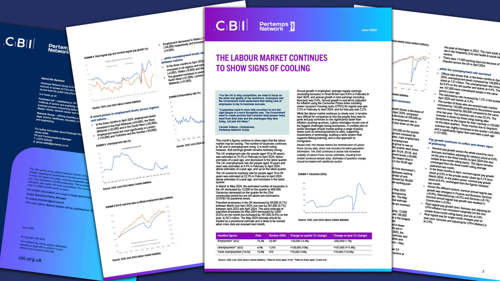
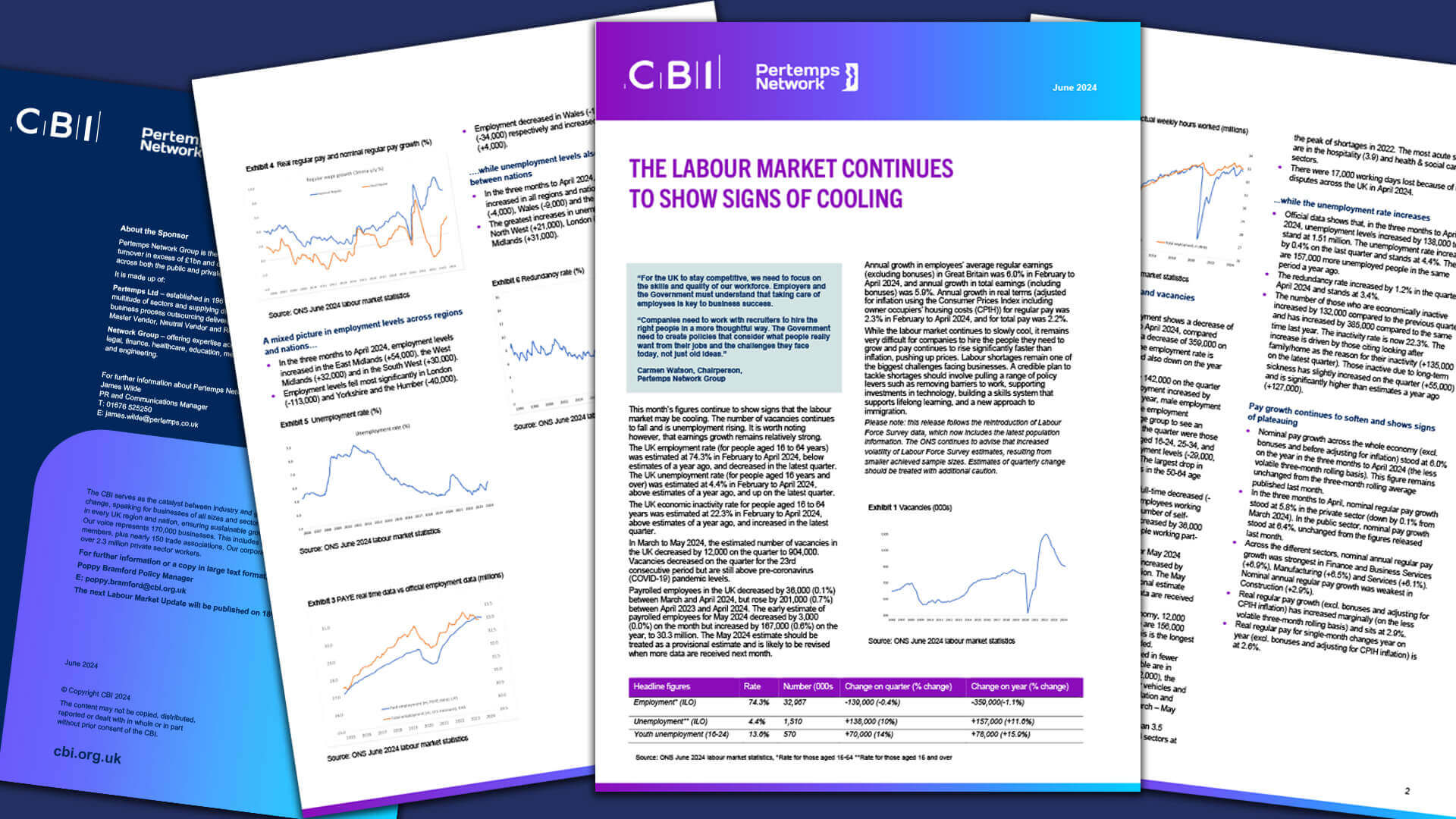
Pages of documents showing changes in the labour market

Labour Market update report

The labour market shows a gradual slowdown, with vacancies still above pre-pandemic levels, while pay rates remain high due to last year's inflation. The new Government's plans for Apprenticeship Levy reform and Skills England are promising but need to prioritise local needs over top-down solutions.

To effectively support all workers, especially those looking for flexible work arrangements and new opportunities, it’s essential to make sure that employment protection reforms do not create barriers for jobseekers and promote partnerships with businesses.
Related Articles
  • labour market update report
    UK Labour Market Cooling Continues And Business Hiring Caution Persists

    In the quarter to January 2026, employment and unemployment levels both rose, the inactivity rate fell, vacancies were broadly unchanged, and regular wage growth slowed to its lowest level in five years.

  • labour market update
    UK Unemployment Rate Reaches Post-Pandemic High And Wage Growth Continues To Slow

    In the quarter to December 2025, unemployment and redundancy levels both rose, the employment rate fell slightly and strong private sector wage growth has continued to slow. Provisional estimates suggest that vacancies are struggling to grow, and inactivity levels decreased slightly, but remain stubbornly high. As such, the UK labour market picture is broadly unchanged from recent months, but there is a growing challenge of people wanting to work, being unable to find it.

  • labour market update report
    Unemployment Levels Creep Up Again While Private Sector Wage Growth Falls

    In the quarter to November 2025, unemployment and redundancy levels rose, the employment rate held, and strong private sector wage growth has continued to show signs of easing. The number of vacancies across the economy was also broadly unchanged and inactivity remains stubbornly high. Therefore, the UK labour market picture is fundamentally the same, with cooling conditions increasingly being driven by business cost pressures.